

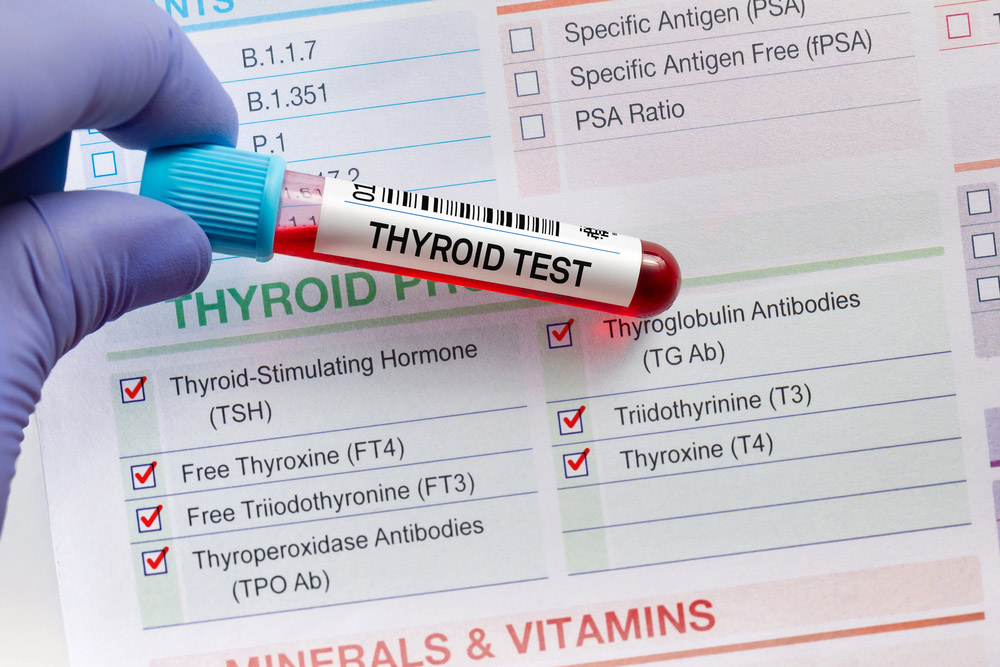
Blood tests are like windows into your thyroid’s function, revealing crucial information about your health. Understanding these tests helps you have more informed discussions with your healthcare team and take an active role in managing your thyroid health. The Royal College of Pathologists of Australasia provides comprehensive guidance on interpreting these important tests.
Key Thyroid Tests Explained
TSH (Thyroid Stimulating Hormone)
This is typically the first test ordered when checking thyroid function. The Endocrine Society of Australia explains that TSH acts like a thermostat for your thyroid:
- High TSH usually indicates an underactive thyroid
- Low TSH typically suggests an overactive thyroid
- Normal ranges can vary between laboratories and individuals
Free T4 (Thyroxine)
According to HealthDirect, T4 is your main thyroid hormone:
- Directly measures thyroid hormone levels
- Helps confirm TSH findings
- Important for monitoring treatment effectiveness
- Can be affected by certain medications
Free T3 (Triiodothyronine)
The Australian Thyroid Foundation describes T3 as your body’s active thyroid hormone:
- Converted from T4 in various tissues
- Not always tested routinely
- Important in specific situations
- Can help explain unusual symptoms
Understanding Your Results
The Royal Australian College of General Practitioners emphasizes several key points about test results:
What Affects Results:
- Time of day when blood is drawn
- Recent medication changes
- Illness or stress
- Pregnancy status
- Certain medications
Common Patterns:
- Primary Hypothyroidism: High TSH, Low T4
- Primary Hyperthyroidism: Low TSH, High T4
- Subclinical Thyroid Issues: Subtle variations
- Treatment Effects: Gradual changes over time
Medicare Coverage and Costs
Through Medicare, many thyroid tests are covered:
- Initial diagnostic tests
- Regular monitoring
- Specific conditions for rebates
- Frequency limitations
Preparing for Tests
The Better Health Channel recommends:
Before Testing:
- Follow medication timing instructions
- Fast if required
- Schedule at consistent times
- Bring previous results
Documentation:
- Keep records of all results
- Note any symptom changes
- Track medication adjustments
- Document lifestyle factors
Monitoring Over Time
Regular monitoring helps track your thyroid health:
- Establish baseline values
- Track treatment effectiveness
- Identify patterns
- Guide medication adjustments
When Additional Testing May Be Needed
The NPS MedicineWise outlines situations requiring further testing:
- Unusual symptoms
- Pregnancy planning
- Treatment resistance
- Other health conditions
Taking Action with Results
Understanding results empowers better health management:
- Discuss patterns with your healthcare team
- Ask questions about unclear results
- Track symptoms alongside numbers
- Understand your personal normal range
Questions to Ask Your Doctor
Key discussions should include:
- Your individual target ranges
- Frequency of testing needed
- Lifestyle factors affecting results
- Signs warranting immediate attention
Looking Forward
Test results are tools for managing your thyroid health:
- Regular monitoring guides treatment
- Patterns matter more than single results
- Communication with healthcare providers is key
- Understanding leads to better outcomes
Resources and Support
For More Information:
- Thyroid Foundation: Patient resources
- HealthDirect: Symptom checker
- Local pathology services
- Support groups
Remember: While understanding test results is important, always work with your healthcare team to interpret results in the context of your overall health and symptoms. They can provide personalized guidance based on your specific situation.
Leave a Reply